Forging is a critical manufacturing method used to shape metal by applying compressive forces. Among the various forging techniques, open die forging and closed die forging are two widely employed processes, each offering distinct advantages based on product requirements, complexity, and production volume. Understanding their differences helps industries choose the optimal method for components ranging from simple shafts to complex Automotive parts.
What is Open Die Forging?
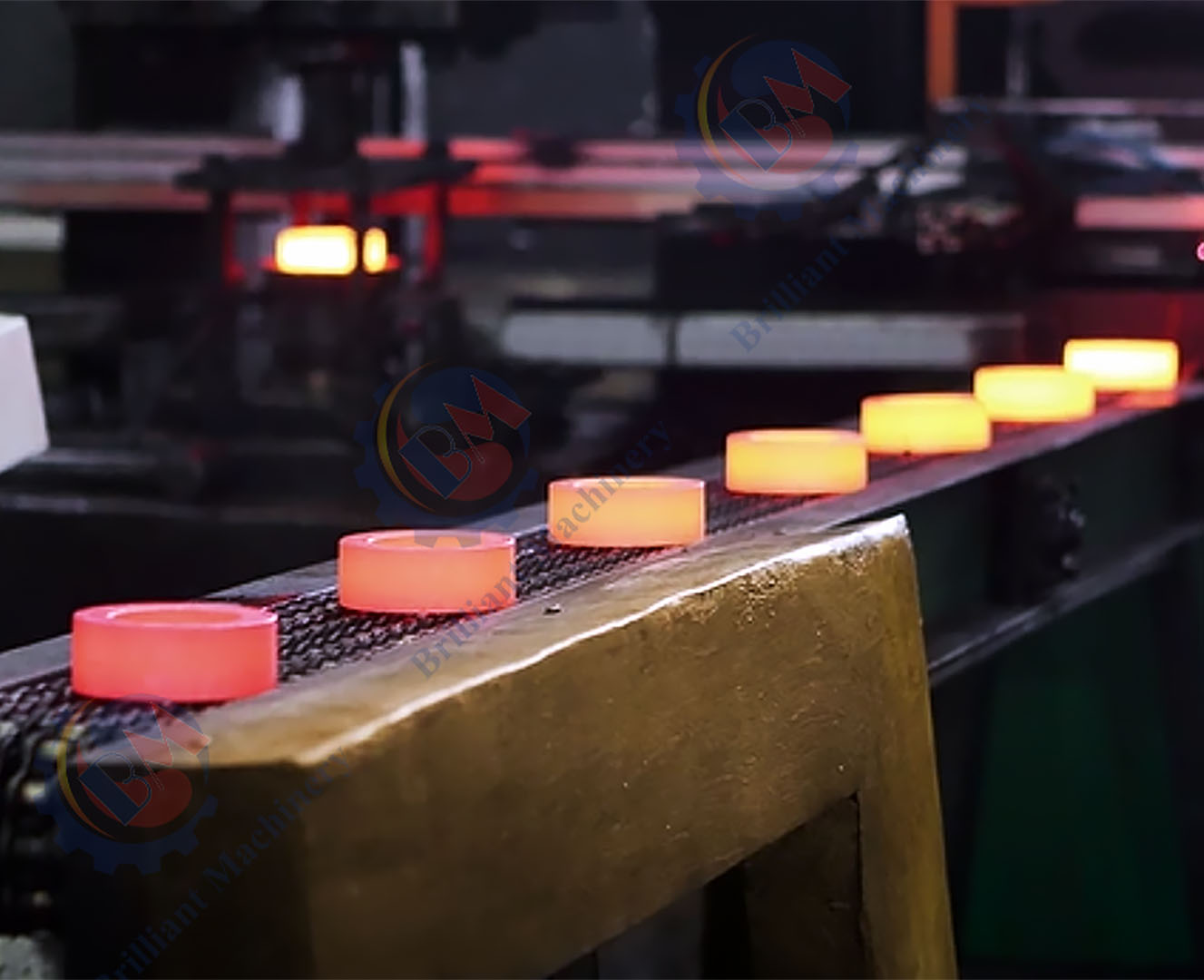
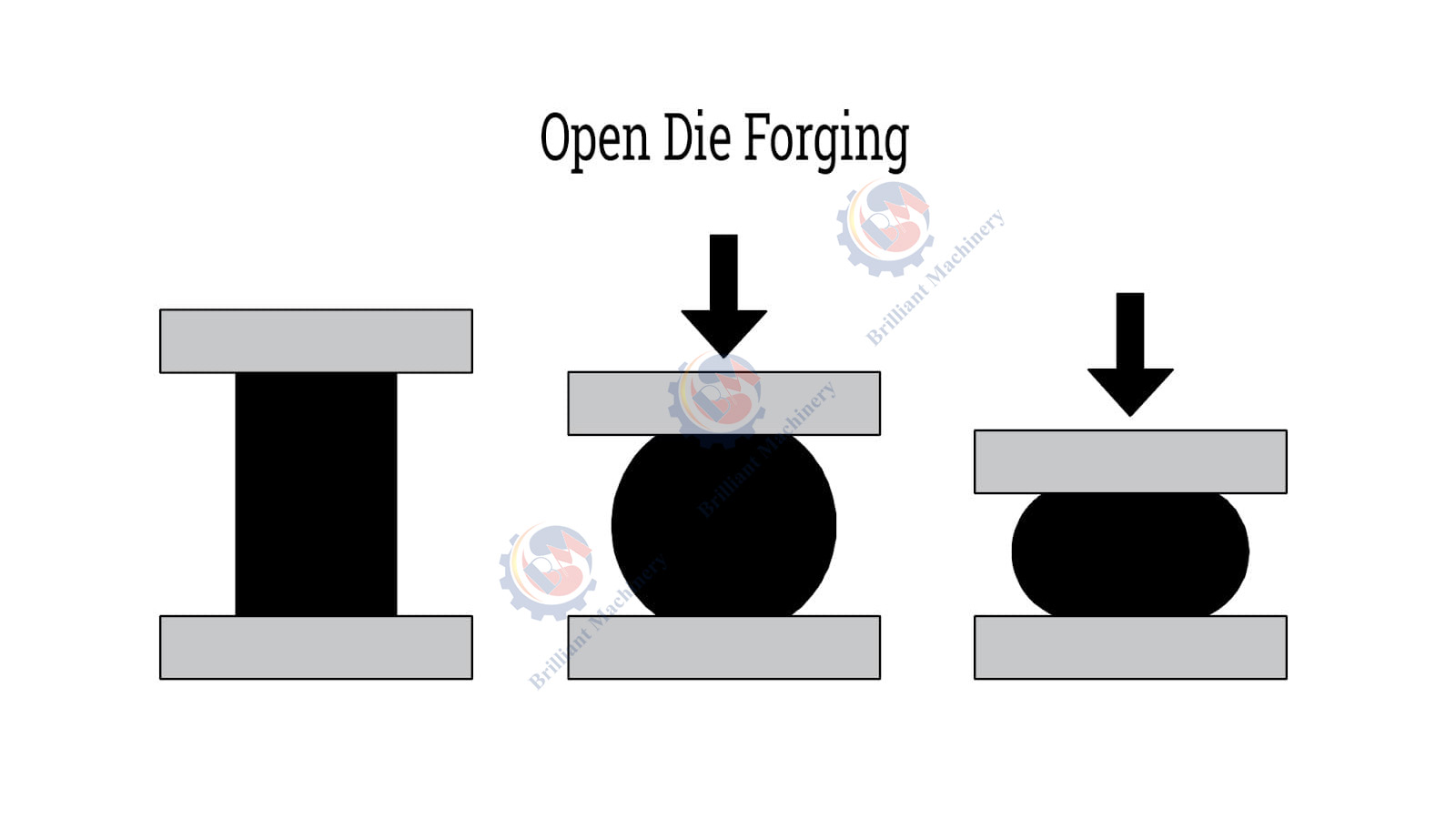
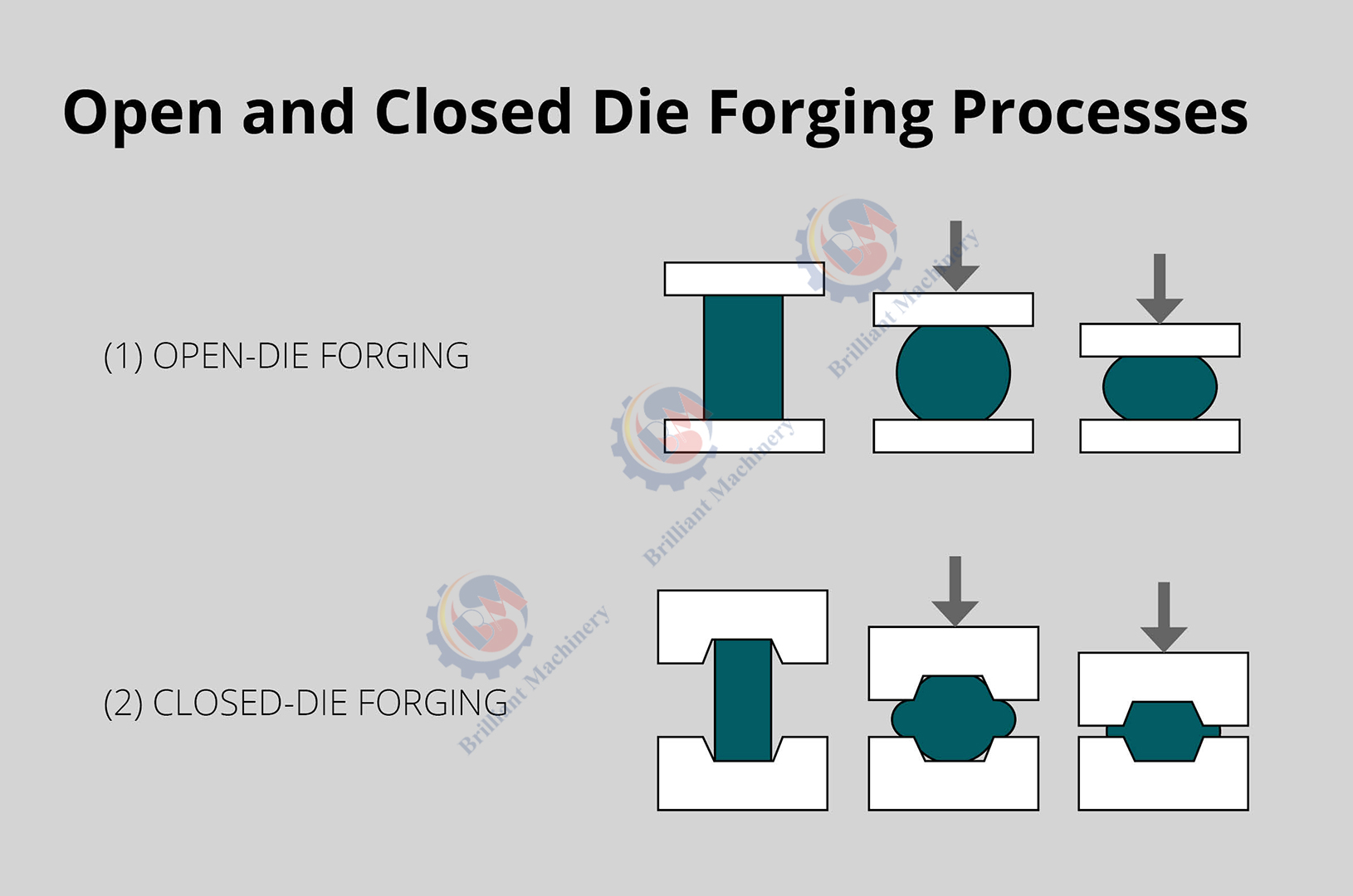
Open die forging, also known as smith forging, involves deforming a heated metal billet between flat or simply contoured dies that do not enclose the workpiece entirely. The operator or machine applies force while manipulating the billet to achieve the desired shape. Open die forging is typically used for larger parts or simple shapes such as bars, discs, or rings.
Key Characteristics of Open Die Forging:
• Dies are flat or with simple contours, allowing metal to flow freely except where contacted.
• Requires skilled operators or automated systems to manipulate and reorient the workpiece.
• Suitable for low-to-medium production volumes and large-sized components.
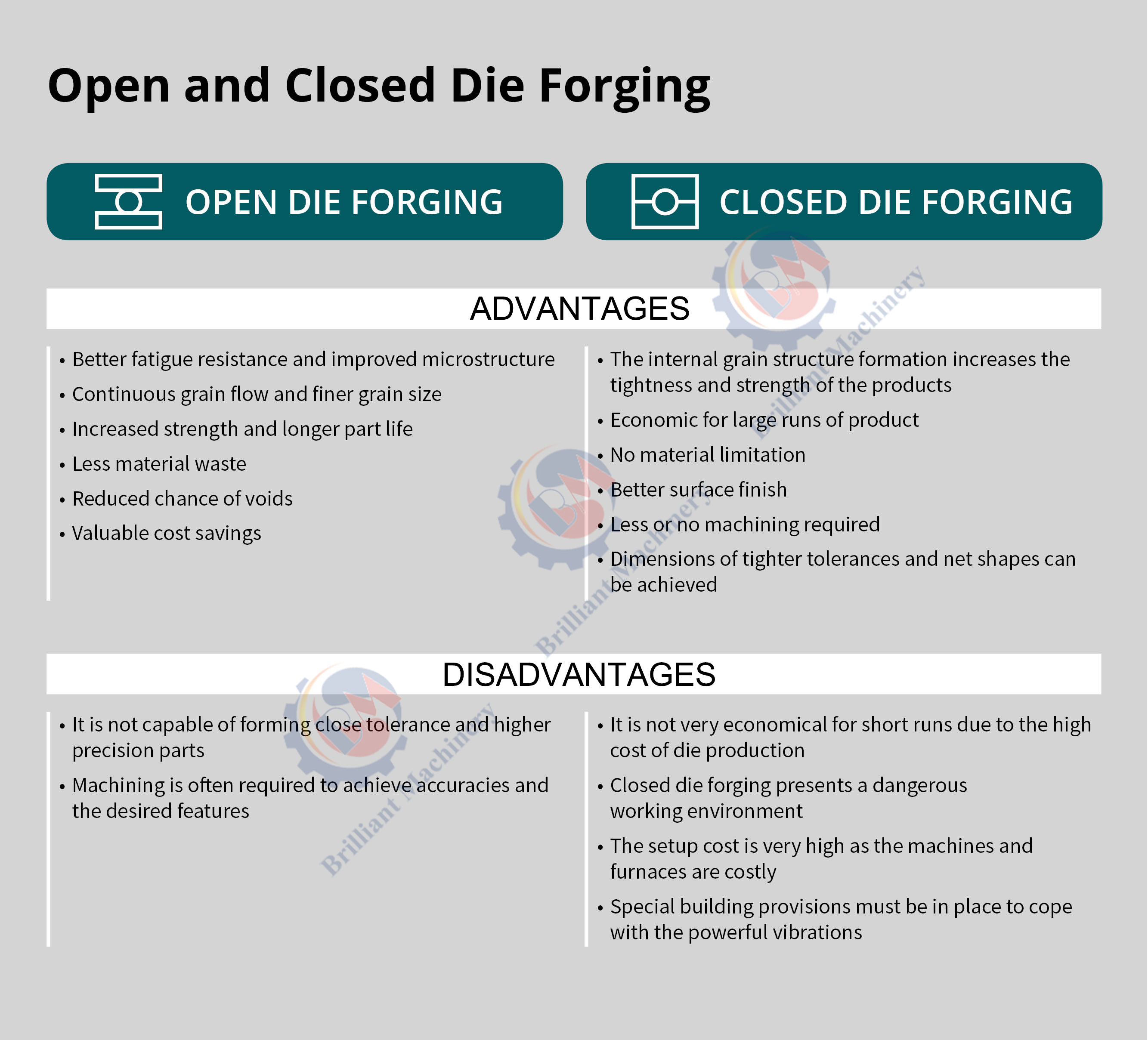
• Produces components with excellent mechanical properties due to controlled grain flow and reduced internal defects.
• Lower tooling costs compared to closed die forging.
What is Closed Die Forging?
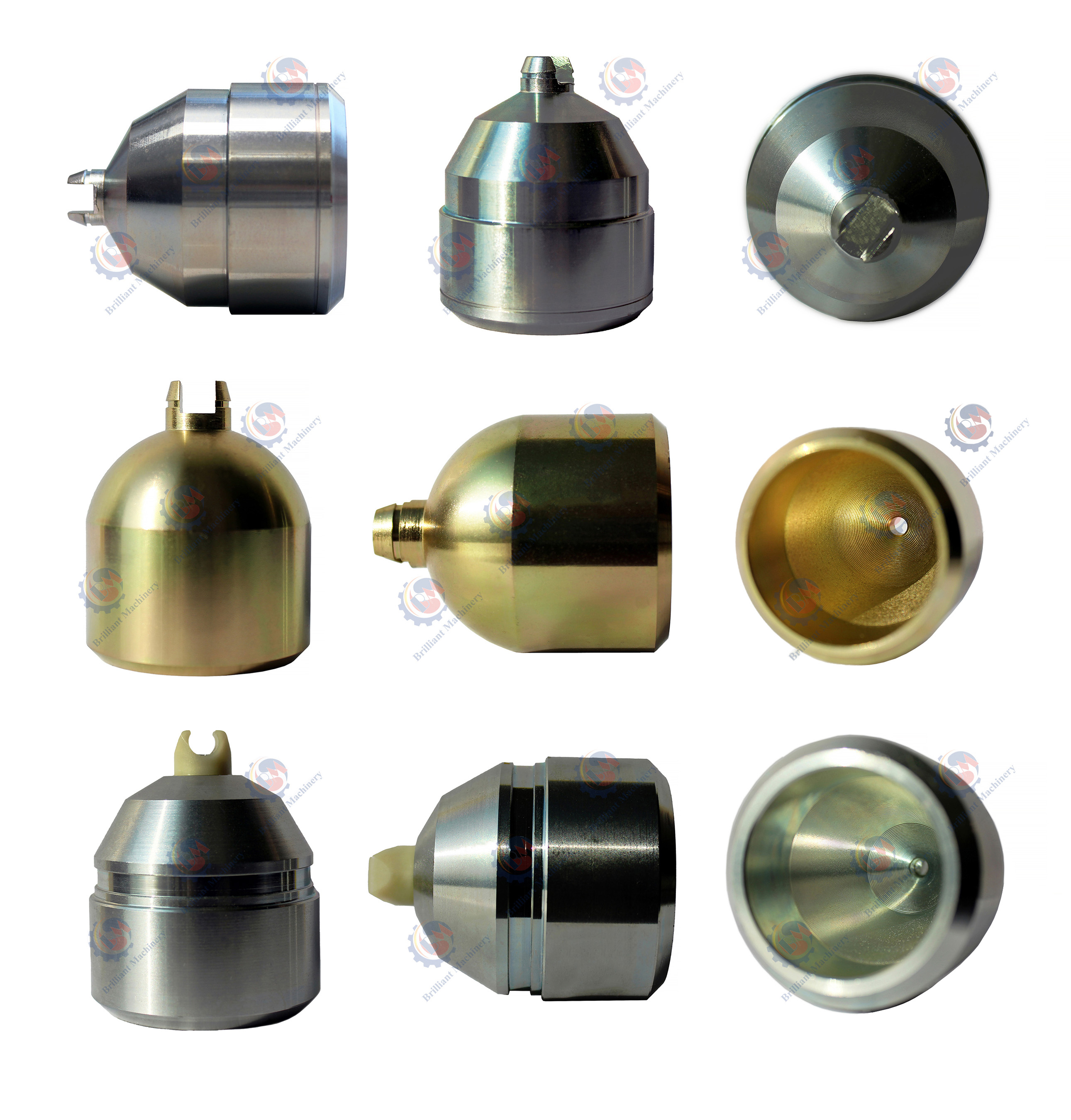
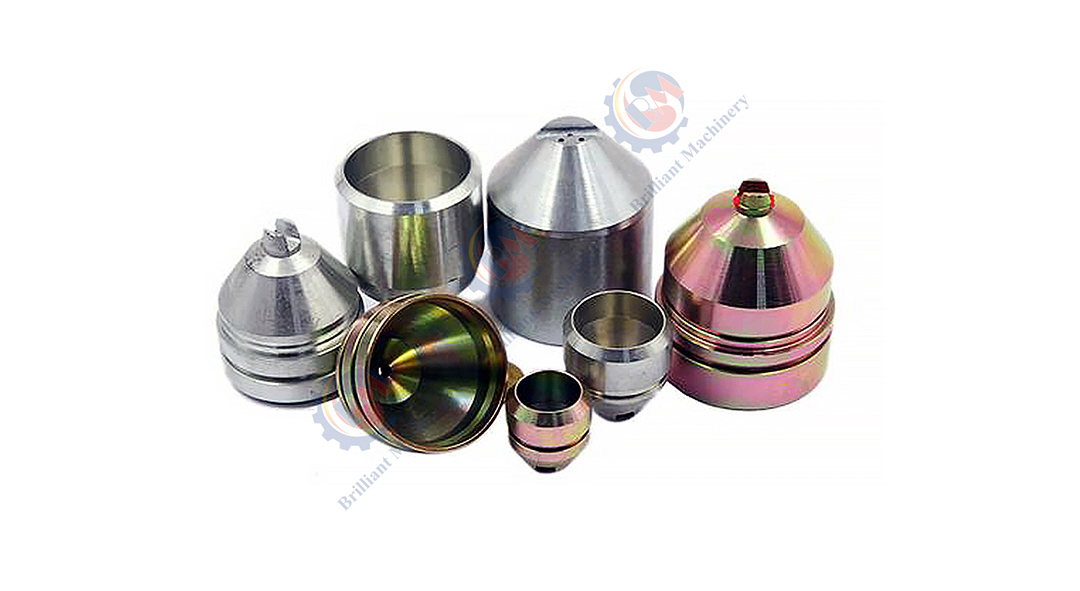
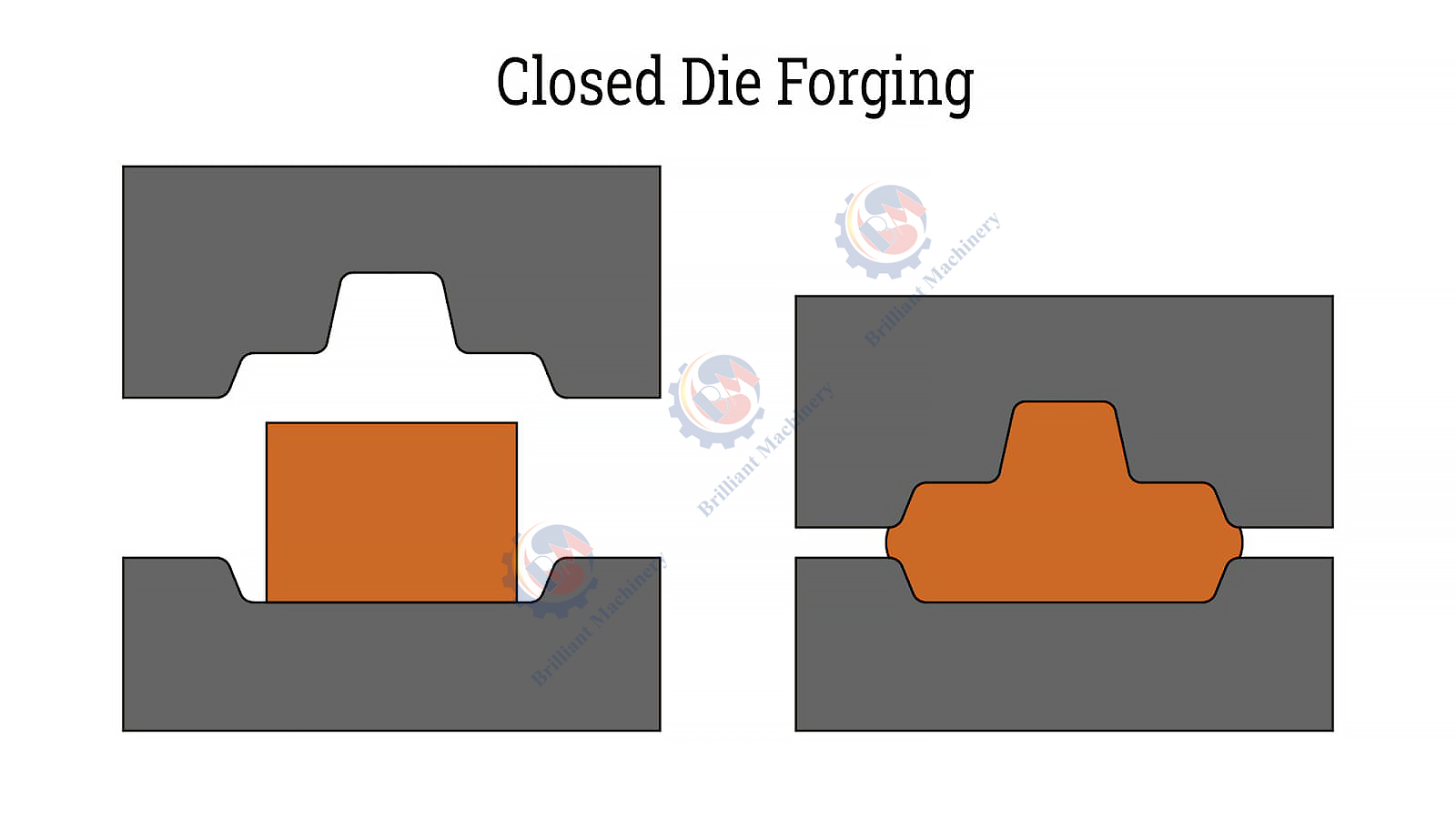
Closed die forging, also called impression die forging, uses two or more dies that enclose the metal billet completely, shaping it by forcing it to fill the die cavities. This process is ideal for producing complex, precise, and high-volume parts such as automotive gears,
Aerospace components, and heavy machinery parts.
Key Characteristics of Closed Die Forging:
• Dies are shaped precisely with detailed cavities matching the final product geometry.
• Higher production rates with repeatable precision and consistent quality.
• Typically requires expensive, durable tooling to withstand repeated use.
• Suitable for medium to high production volumes of small to medium-sized parts.
• Produces parts with fine surface finish and tight dimensional tolerances.
Applications and Industry Usage
Open die forging is preferred in industries requiring large, strong parts such as heavy equipment, shipbuilding, and aerospace structural components. Closed die forging excels in automotive, aerospace, and oil & gas sectors where complex shapes and mass production are required.
Conclusion
Choosing between open die and closed die forging depends largely on the size, complexity, volume, and precision needs of the part. While open die forging offers flexibility and cost-effectiveness for large, simpler components, closed die forging provides superior precision and surface quality for complex, smaller parts in high volume. Shaanxi Brilliant Machinery Co., Ltd. leverages both forging techniques to deliver high-quality, customized metal components tailored to diverse industrial applications.
Keywords:
Open die forging, closed die forging, forging processes comparison, open die vs closed die forging, metal forging methods, forging manufacturing, Shaanxi Brilliant Machinery forging