You can check out more about Perforating Equipment Charges, which are pretty key in the Oil and Gas world. Basically, these devices are what allow us to create pathways in well casings—super important for getting the job done. I saw a recent report from the International Association of Drilling Contractors that predicts the global market for this equipment is going to grow quite a bit. That’s mainly because there's a rising demand for more efficient ways to extract resources.
Dr. Emily Carter from WellTech Solutions sums it up nicely, saying, "perforating Equipment Charges are really the secret to boosting production rates." Her point drives home just how vital these charges are when it comes to pulling oil and gas out of the ground more effectively. Basically, each charge is designed to punch through the casing and make tiny perforations in the rock, which lets the hydrocarbons flow more easily.
That said, it’s not all smooth sailing. There are valid concerns about environmental impacts and safety when using these charges. As energy needs keep climbing, the debate about how responsibly we should use these tools gets more heated. Finding that sweet spot between getting the job done efficiently and taking care of the environment is a tricky balancing act many operators are grappling with today.
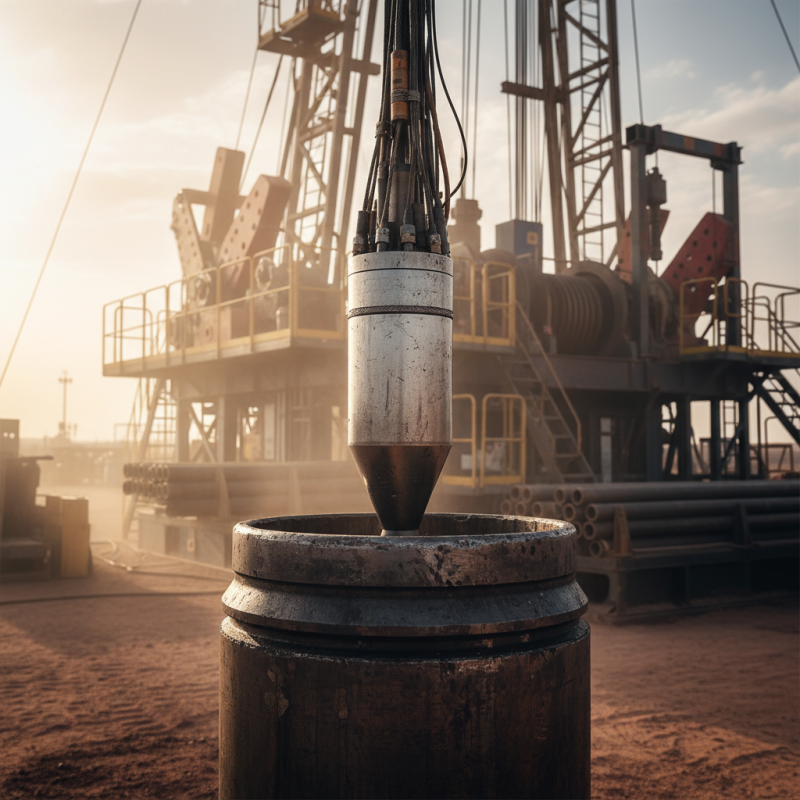
Perforating equipment charges play a crucial role in oil and gas extraction. They are designed to create holes in casing or rock formations. This process facilitates the flow of resources from Subsurface reservoirs to the surface. The charges typically contain explosives, which are triggered at specific depths.
When activated, the explosive charge generates a shock wave. This wave creates perforations in the wellbore. The size and number of holes depend on various factors, including the charge's design and the formation characteristics. Operators must consider these variables carefully. Miscalculations can lead to ineffective perforation or even damage to the well.
The design of perforating charges requires engineering expertise. Factors such as the type of rock and fluid characteristics must be analyzed. Different formations require different approaches. There’s no one-size-fits-all solution. These details can often be overlooked in planning phases, leading to challenges during operations. Understanding the intricacies of perforating equipment is essential for successful well completion. People often think it’s straightforward, but it requires careful thought and reflection.
Perforating charges are crucial in oil and gas extraction. They create holes in well casings to enable fluid flow. The effectiveness of these charges hinges on their design and type.
There are several types of perforating charges. One common type is the shaped charge. This charge focuses explosive energy to penetrate rock formations. According to a report from the American Petroleum Institute, shaped charges enhance well productivity by up to 30%. Another type includes non-electric charges, preferred in environments sensitive to electricity. They reduce the risk of premature detonation.
In the industry, selecting the correct perforating charge is vital. The effectiveness can vary significantly based on the formation type. Some charges may not perform well in hard rock environments. This inconsistency can lead to higher operational costs. Understanding the types and their applications can lead to more efficient drilling operations. Adjusting techniques based on the formation type remains an area for improvement.
Perforating charges play a crucial role in well completion. Their main function is to create pathways for oil and gas to flow from the reservoir into the wellbore. When these charges detonate, they generate high-pressure jets. These jets penetrate the casing and cement, then into the rock formations. It seems straightforward, yet the execution is complex. Engineers must calculate the precise energy needed for effective penetration.
The placement of these charges is vital. Too deep, and the formation might be damaged. Too shallow, and the flow might be restricted. A careful balance is necessary. Various sizes and types of perforating equipment are available. Each serves different geological conditions. No one-size-fits-all approach exists. In the world of Construction and Heavy Equipment, precision is key to success.
Despite advancements, issues persist. Occasionally, charges may fail to detonate as planned. This can leave sections of the well unperforated. The result? Limited production and wasted resources. Engineers reflect on these challenges to improve future operations. They strive for a combination of technology and experience. Ultimately, the goal is to enhance oil and gas recovery efficiency while minimizing risks.
Perforating charges are critical in various industries, especially in oil and gas extraction. The design of these charges is influenced by several factors. One major factor is the type of formation being targeted. Different rocks respond uniquely to perforation. For instance, hard formations require specific charge configurations and patterns to achieve better penetration.
Another important consideration is the desired depth of penetration. Engineers must consider the thickness of the casing and production zones. This decision impacts not only the charge design but also the overall effectiveness of the perforation job. Additionally, the energy release of the perforating charge is crucial. If not calibrated correctly, charges might not perform as expected.
Environmental factors can also change the design of these charges. Seasonal variations and well conditions may affect materials used for Casting for equipment. This variability can create challenges. It's important for teams to reflect on past outcomes and adapt their designs accordingly. Each perforating job presents an opportunity to learn and improve.
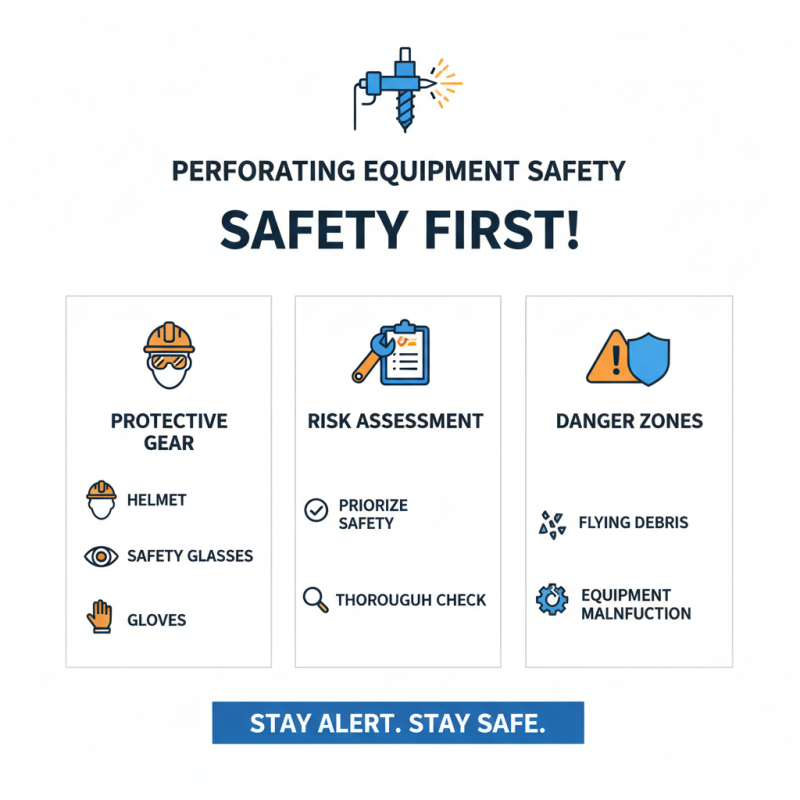
Using perforating equipment can be dangerous if safety considerations are not prioritized. Operators must wear appropriate protective gear at all times. This includes helmets, safety glasses, and gloves to protect against flying debris. It's crucial to conduct a thorough risk assessment before any operation.
heavy equipment operates with high pressure and can lead to serious accidents. Keeping a safe distance from the equipment is necessary. Anyone not involved in the operation should remain clear of the area. Ensure that all safety protocols are rigorously followed and understood by the team. Regular training sessions can improve safety awareness and response to emergencies.
Another important aspect is equipment maintenance. Faulty equipment can cause accidents, making regular checks essential. Operators need to be aware of signs of wear and tear. Any irregular sounds or movements should prompt an immediate stop to operations. Reflecting on past incidents can help improve future safety practices.
Perforating charges play a crucial role in oil and gas extraction. Their applications vary across different geological formations. In sandstone formations, perforating charges create pathways for hydrocarbons to flow into wells. A study shows that optimal perforation designs can increase production rates significantly by up to 25%.
In carbonate rocks, the effectiveness of perforating charges relies on precise placement. Misalignment can lead to reduced connectivity with the reservoir. Industry reports indicate that many operators face challenges related to varying rock properties, which affects the perforation's overall success. A meticulous approach to charge selection is vital.
Shale formations present unique challenges. High-pressure environments require specialized charges to prevent damage. Data from recent field studies suggest that the right perforating strategy can enhance recovery rates. However, striking the right balance between charge size and formation strength remains a point of contention among professionals. Each geological setting demands tailored strategies for successful perforation.
Perforating technology has made significant strides in recent years. Professionals now use advanced techniques to enhance oil and gas extraction. These advancements focus on precision and efficiency. Improved perforating equipment can target specific formations more accurately. This reduces waste and increases production rates.
The integration of renewable energy equipment into traditional processes is an emerging trend. Many companies experiment with hybrid systems that combine perforating technology and renewable energy solutions. This approach could help conserve resources. However, there are challenges. Balancing cost and efficiency remains a critical issue. Developers must rethink existing strategies to adapt. Exploring innovative thinking here is essential for sustainable progress.
In the field of perforating, adapting to new technologies is not easy. Traditional methods still hold value in many situations. Yet, the push for innovation is strong. Recognizing where improvements can be made is crucial. Continuous learning within this space helps shape the future. It’s an ongoing journey with room for reflection and growth.
Optimizing Perforation Efficiency: A Comprehensive Guide to O.D. 2" Top Subs for Perforating Guns with ACME Threads
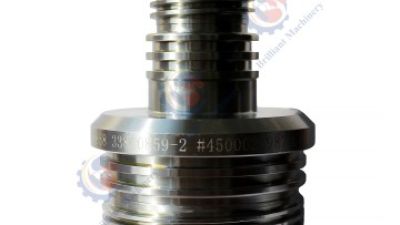
In the constantly evolving landscape of the oil and gas sector, the need for efficient and reliable perforation techniques is paramount. The O.D. 2" Top Subs stand out as critical components within perforating gun systems, specifically engineered to ensure a secure connection between the perforating equipment and wellheads. Featuring two threading configurations—Upper Thread Type 1-3/16-12STUB ACME-2G and Lower Thread Type 1-11/16-8 STUB ACME-2G—these subs have been meticulously designed to withstand the demanding conditions often encountered during high-pressure operations.
The robust design of the O.D. 2" Top Subs significantly contributes to maintaining the integrity of perforating gun systems. According to industry data, perforation failures can lead to costly delays and safety hazards, with reports indicating that improperly functioning components can result in up to a 25% increase in operational downtime. By utilizing a specialized threading system, these top subs ensure optimal support and stability, thereby minimizing the risk of failure during critical perforation activities.
Moreover, the integration of these top subs into hydraulic fracturing operations highlights their importance in achieving successful completions. The precise engineering allows for a smooth interface with perforating guns, which is essential for effective hydraulic fracturing. Industry studies show that the incorporation of high-quality subs can enhance the overall efficiency of perforation jobs, driving down costs and improving the safety metrics of operations. As the oil and gas industry continues to advance, adopting such innovative solutions becomes vital in achieving operational excellence.
: The product aims to enhance user experience and provide practical solutions.
Follow the guidelines provided. Adjust settings based on your personal preferences.
Yes, a warranty is included. It covers defects, but not misuse.
Returns are accepted within a specified period. Ensure it's unused and in the original packaging.
Some users report difficulties with initial setup. Others mention durability concerns.
Support can be reached via email or phone. They aim to respond quickly.
Regular cleaning is recommended. Store in a dry place to prolong its lifespan.
Yes, but ensure it is protected from harsh weather conditions.
Check for updates regularly. Updates can improve performance and add features.
Reset options are available. Follow the prompts on the login page to recover access.
Perforating Equipment Charges are specialized tools used in the oil and gas industry to create openings in the wellbore casing, allowing for efficient fluid flow from reservoirs into the well. This article delves into the various types of perforating charges, their functionality in well completion, and the factors that influence their design, such as the geological conditions and the desired outcome of the perforation. Safety considerations are also crucial, as handling these charges requires adherence to strict protocols to mitigate risks during operations.
Furthermore, the article explores the applications of perforating charges across different geological formations, emphasizing their critical role in enhancing oil and gas extraction processes. Advancements in perforating technology and techniques have significantly improved their effectiveness, allowing for more precise and controlled perforations. Overall, understanding Perforating Equipment Charges is essential for maximizing productivity and ensuring safety in petroleum engineering.