Copper extrusions are pretty essential in a bunch of industries these days. They're versatile and help make things more efficient, whether it’s for electrical setups or structural supports. The extrusion process basically involves shaping copper into just about any form you need, so manufacturers can craft complex shapes that are lightweight but still really strong. Because of this flexibility, copper extrusions are a go-to choice for sectors like construction, automotive, and electronics—anywhere there's a push for high-performance materials.
As industries keep pushing forward and coming up with new innovations, the importance of copper extrusions only grows. Their great conductivity, resistance to corrosion, and ability to be shaped easily make sure they tick all the boxes for modern manufacturing needs. From tiny components in electronic gadgets to sturdy frameworks in building projects, copper extrusions are designed to make the most of copper’s special properties. This overview looks at how they’re used across different fields and why they’re such a crucial part of today’s tech-driven world.

What is Copper Extrusion?
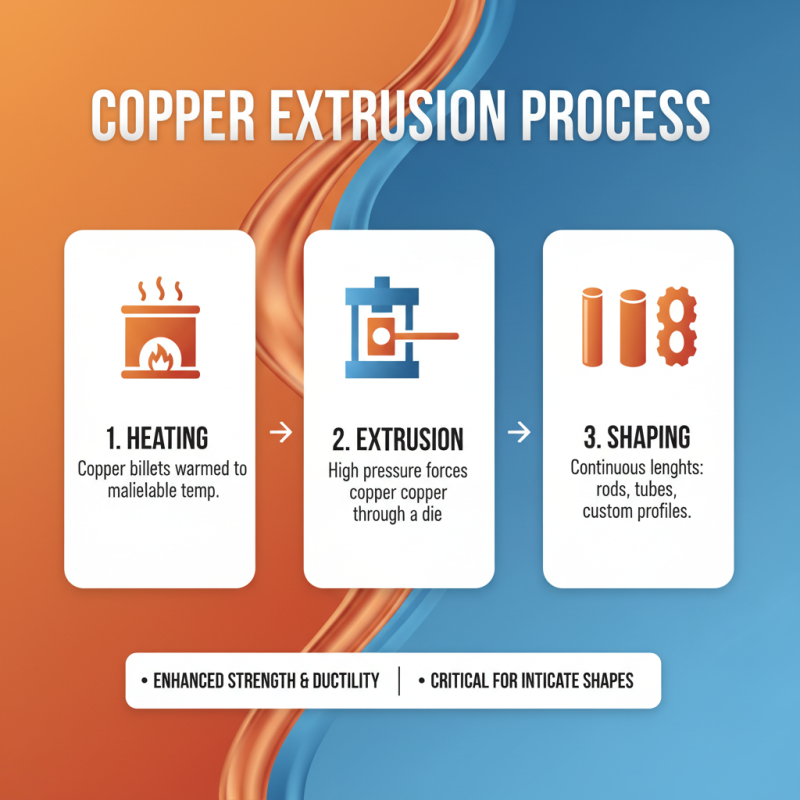
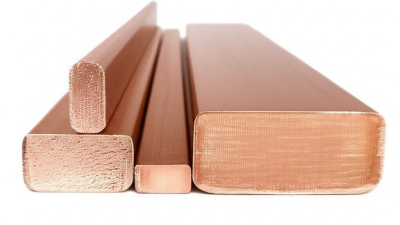
Copper extrusion is a manufacturing process in which copper is shaped into desired cross-sectional profiles by forcing it through a die. The process begins with heating copper billets to a malleable temperature, after which they are placed in an extruder. Using high pressure, the copper is pushed through a die, creating continuous lengths of metal in various shapes, such as rods, tubes, and custom profiles. This technique not only enhances the physical properties of copper, including strength and ductility, but also enables manufacturers to produce intricate shapes that are critical for specific applications.
The versatility of copper extrusions has led to their widespread use across several industries. According to a recent report by the International Copper Association, the market for copper extrusions is projected to grow significantly, driven by applications in the electrical and automotive sectors, which accounted for over 60% of the total consumption in recent years. Copper's excellent electrical conductivity and corrosion resistance make it an ideal choice for electrical connectors, wiring, and heat exchangers. Additionally, in the automotive industry, copper extrusions are increasingly used in electric vehicles and hybrid systems, enhancing their efficiency and performance. The adoption of copper in renewable energy applications, particularly in solar and wind technologies, further underscores its importance in modern industrial applications.
The Process of Copper Extrusion Explained
Copper extrusion is a manufacturing process where heated copper billets are forced through a die to create specific cross-sectional shapes. This process begins with the heating of copper to its plastic state, which usually falls between 700 to 800 degrees Celsius. Once malleable, the copper is pushed through a specially designed die under high pressure. This results in continuous lengths of copper in versatile shapes such as bars, tubes, and profiles, which can be further processed for different applications.
The copper extrusion process benefits various industries, particularly construction, automotive, and electronics. According to the International Copper Association, approximately 60% of copper produced globally is used in electrical applications, showcasing its invaluable role in power generation and transmission components. Extruded copper components are also critical in the creation of heat exchangers, plumbing fittings, and specialized automotive parts, where efficiency and thermal conductivity are paramount.
Tips: When considering copper extrusion for your projects, ensure to collaborate with manufacturers who adhere to industry standards to guarantee quality. Additionally, it's beneficial to request samples of extruded shapes for testing, which can help verify that the specific characteristics meet your operational requirements. Lastly, keep in mind that the choice of copper alloy can significantly affect the performance properties of the final products, so choose wisely based on your application needs.
Types of Copper Alloys Used in Extrusion
Copper extrusions are essential components in various industries, thanks to their excellent electrical and thermal conductivity, corrosion resistance, and malleability. The extrusion process allows for the creation of complex shapes and profiles that can be tailored for specific applications. The type of copper alloy used in extrusion significantly impacts the final product's performance and suitability for various industrial applications.
Among the most common copper alloys used in extrusion are Copper-Zinc (Brass), Copper-Tin (Bronze), and Copper-Phosphorus alloys. Brass, composed primarily of copper and zinc, offers enhanced strength and corrosion resistance, making it ideal for plumbing, electrical connectors, and other hardware. According to industry reports, the brass market is projected to witness a steady growth rate of approximately 5% annually due to its increased applications in building and construction.
Copper-Tin alloys, known as bronze, exhibit superior wear resistance and strength, making them suitable for marine applications and high-friction environments. The global bronze market is expected to grow, driven by the increasing demand in sectors such as automotive and aerospace. Similarly, Copper-Phosphorus alloys are also gaining traction due to their applications in brazing and soldering processes, highlighting the versatility of copper extrusions across different industrial fields. These alloys not only enhance the product's longevity but also improve the efficiency of manufacturing processes, making them indispensable in modern engineering applications.
Usage of Copper Extrusions Across Various Industries
Applications of Copper Extrusions in Electrical Industry
Copper extrusions play a vital role in the electrical industry due to their excellent conductivity and versatility. These extruded shapes, which can include rods, tubes, and profiles, are essential in manufacturing a wide array of electrical components. Their high electrical conductivity makes them ideal for applications like wiring, connectors, and busbars, where efficient energy transfer is crucial. The process of extrusion allows for precise dimensions and complex shapes, enabling manufacturers to create tailored components that meet specific electrical requirements.
In addition to standard wiring applications, copper extrusions are also used in the production of heat sinks and electrical enclosures. The thermal conductivity of copper allows heat generated by electronic devices to be effectively dissipated, enhancing performance and longevity. Furthermore, the ability to create intricate designs through extrusion technology enables the production of innovative solutions that improve the functionality and efficiency of electrical systems.
As the demand for renewable energy sources and energy-efficient technologies grows, the use of copper extrusions in electrical applications continues to expand, making them a cornerstone of modern electrical infrastructure.
Copper Extrusions in Automotive Manufacturing
Copper extrusions are becoming increasingly important in automotive manufacturing due to their unique properties. The process of extruding copper involves forcing the metal through a shaped die, creating various profiles that can be used in different applications. The lightweight yet strong characteristics of copper make it an ideal choice for components such as connectors, wiring, and heat exchangers in vehicles. Its excellent electrical and thermal conductivity plays a crucial role in enhancing the efficiency and performance of modern automotive systems.
In the automotive industry, copper extrusions contribute significantly to energy efficiency and safety. For instance, they are utilized in electrical systems where optimal current flow is required, thus reducing energy loss. Additionally, copper's resistance to corrosion ensures durability within automotive environments, which can include exposure to various elements and temperatures. As vehicles become more advanced with the integration of electrification and automation, the demand for copper extrusions is expected to grow, making them a key material in the future of automotive manufacturing.
What is Copper Extrusions and How are They Used in Various Industries - Copper Extrusions in Automotive Manufacturing
| Dimension | Material Type | Application Area | Benefits |
| 3mm x 5mm | Copper Alloy | Electrical Connectors | Excellent conductivity and anti-corrosion properties |
| 5mm x 10mm | Beryllium Copper | High Performance Springs | High strength and fatigue resistance |
| 10mm x 20mm | Brass | Automotive Housings | Good machinability and corrosion resistance |
| 15mm x 30mm | Copper-Nickel | Heat Exchange Components | Excellent corrosion resistance and thermal conductivity |
| 20mm x 40mm | Electrolytic Tough Pitch Copper | Wires and Cables | High electrical conductivity and ductility |
The Role of Copper Extrusions in Plumbing and HVAC Systems
Copper extrusions are a vital component in plumbing and HVAC systems due to their excellent thermal conductivity, durability, and resistance to corrosion. In plumbing, copper pipes are widely used for transporting hot and cold water, thanks to their capacity to withstand high temperatures and pressure. The extrusion process allows for the creation of various shapes and sizes, making copper easy to work with during installation. Additionally, copper's antimicrobial properties contribute to maintaining water quality, reducing the risk of biological contamination.
In HVAC systems, copper extrusions play a crucial role in the construction of heat exchangers and refrigerant lines. The material's high thermal conductivity ensures efficient heat transfer, which is essential for the effective operation of heating and cooling systems. Furthermore, copper’s ability to be extruded into complex shapes allows engineers to design systems that maximize efficiency and performance. The long lifespan of copper also means that HVAC systems can be more reliable, reducing the need for frequent replacements and maintenance. As industries continue to prioritize energy efficiency and reliability, copper extrusions will remain a cornerstone in plumbing and HVAC applications.
Advantages of Using Copper Extrusions over Other Materials
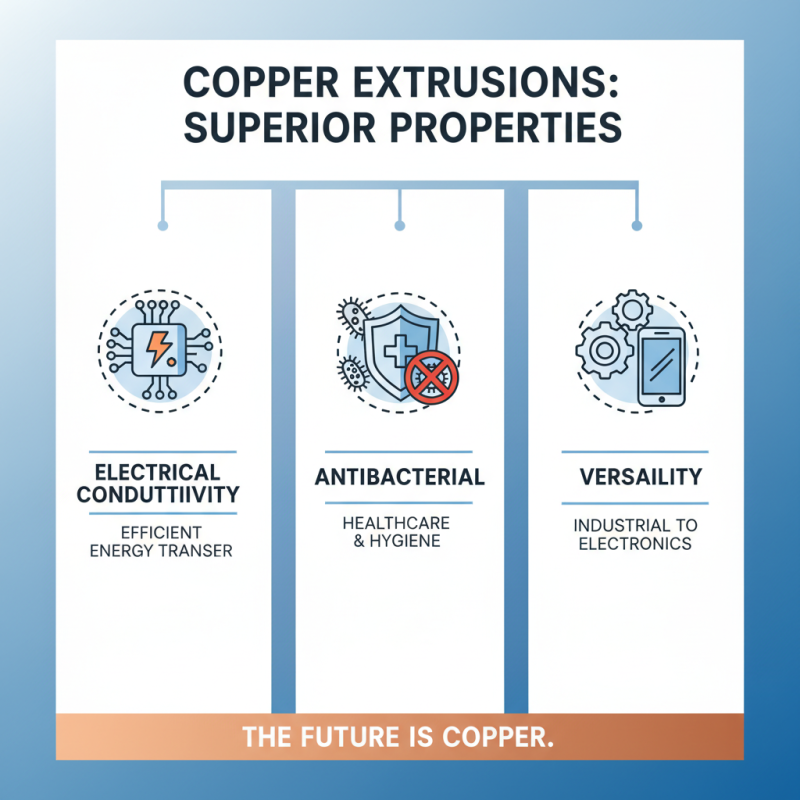
Copper extrusions are increasingly recognized for their superior properties compared to alternatives such as aluminum or plastic. One of the primary advantages of copper extrusions is their excellent conductivity, making them ideal for electrical applications. This superior electrical conductivity ensures efficient energy transfer, which is essential in a multitude of devices, from industrial machinery to consumer electronics. Further, copper's natural antibacterial properties make it a preferred choice for applications in healthcare environments, where hygiene is paramount.
Additionally, copper extrusions are known for their strength and durability. They demonstrate excellent resistance to corrosion and wear, allowing components to maintain integrity over time even in challenging environments. This durability translates into reduced maintenance costs for industries such as construction and transportation. Furthermore, copper's malleability allows it to be easily shaped into complex forms, catering to diverse design needs across various sectors, including automotive and HVAC systems. The combination of these properties makes copper extrusions a highly efficient and effective solution, providing long-term benefits that often surpass those offered by other materials.
FAQS
: Copper extrusion is a manufacturing technique where heated copper billets are forced through a die to create specific cross-sectional shapes, such as rods, tubes, and custom profiles. This process enhances the physical properties of copper while allowing for intricate designs.
The temperature for extruding copper typically falls between 700 to 800 degrees Celsius, which makes the copper malleable and ready to be shaped.
Copper extrusions are widely used in several industries, including electrical, automotive, construction, and electronics, for applications like wiring, connectors, heat exchangers, and various specialized components.
Copper is favored in electrical applications due to its excellent electrical conductivity, corrosion resistance, and thermal conductivity, which ensures efficient energy transfer and effective heat dissipation.
The extrusion process allows for the creation of precise and complex shapes, enhancing the performance and efficiency of components used in construction, automotive, and electrical applications.
It's essential to collaborate with manufacturers that adhere to industry standards to ensure product quality. Additionally, requesting samples for testing can help ensure that the extruded shapes meet specific operational requirements.
The selection of copper alloy significantly impacts the performance properties of the final extruded products, making it crucial to choose the right alloy based on specific application needs.
The growth in applications related to renewable energy sources, such as solar and wind technologies, alongside the increasing use of copper in electric vehicles, is driving the demand for copper extrusions.
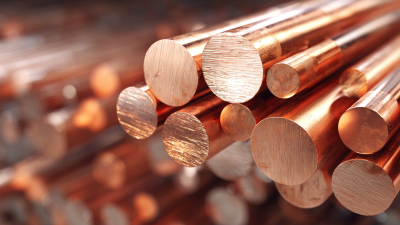
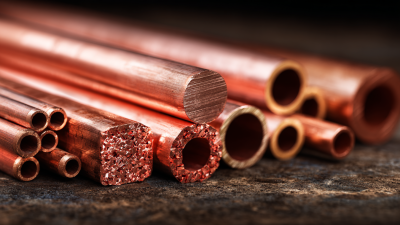
Copper can be extruded into various shapes, including rods, tubes, and profiles, allowing for versatility in manufacturing different components.
The extrusion process not only improves the strength and ductility of copper but also allows for intricate designs that can enhance the functionality and efficiency of electrical systems.
Conclusion
Copper extrusions refer to the process of shaping copper alloys into various profiles by forcing the material through a die. This technique is essential across multiple industries due to its efficiency and cost-effectiveness. The process involves heating the copper alloy to a malleable state, then using a hydraulic press to push it through a specially designed die. The versatility of copper extrusions allows for the production of complex shapes that meet specific application requirements.
In the electrical industry, copper extrusions are widely used for their excellent conductivity, making them ideal for wiring and connection components. In automotive manufacturing, they contribute to lightweight yet durable parts, enhancing fuel efficiency. Additionally, in plumbing and HVAC systems, copper extrusions are favored for their corrosion resistance and thermal conductivity. Overall, the advantages of using copper extrusions over other materials include superior mechanical properties and increased design flexibility, making them indispensable in modern manufacturing.