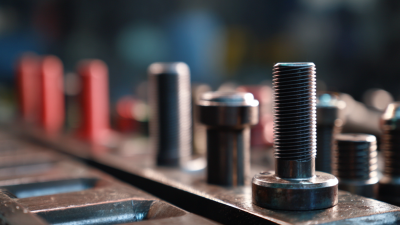
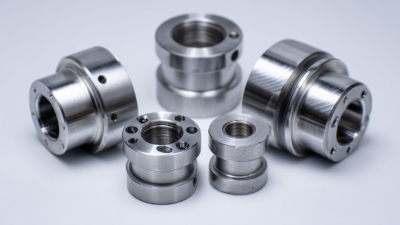
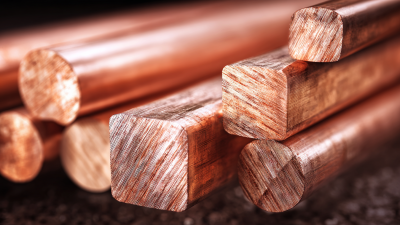
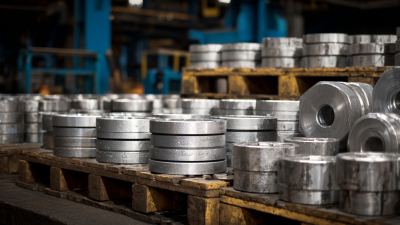
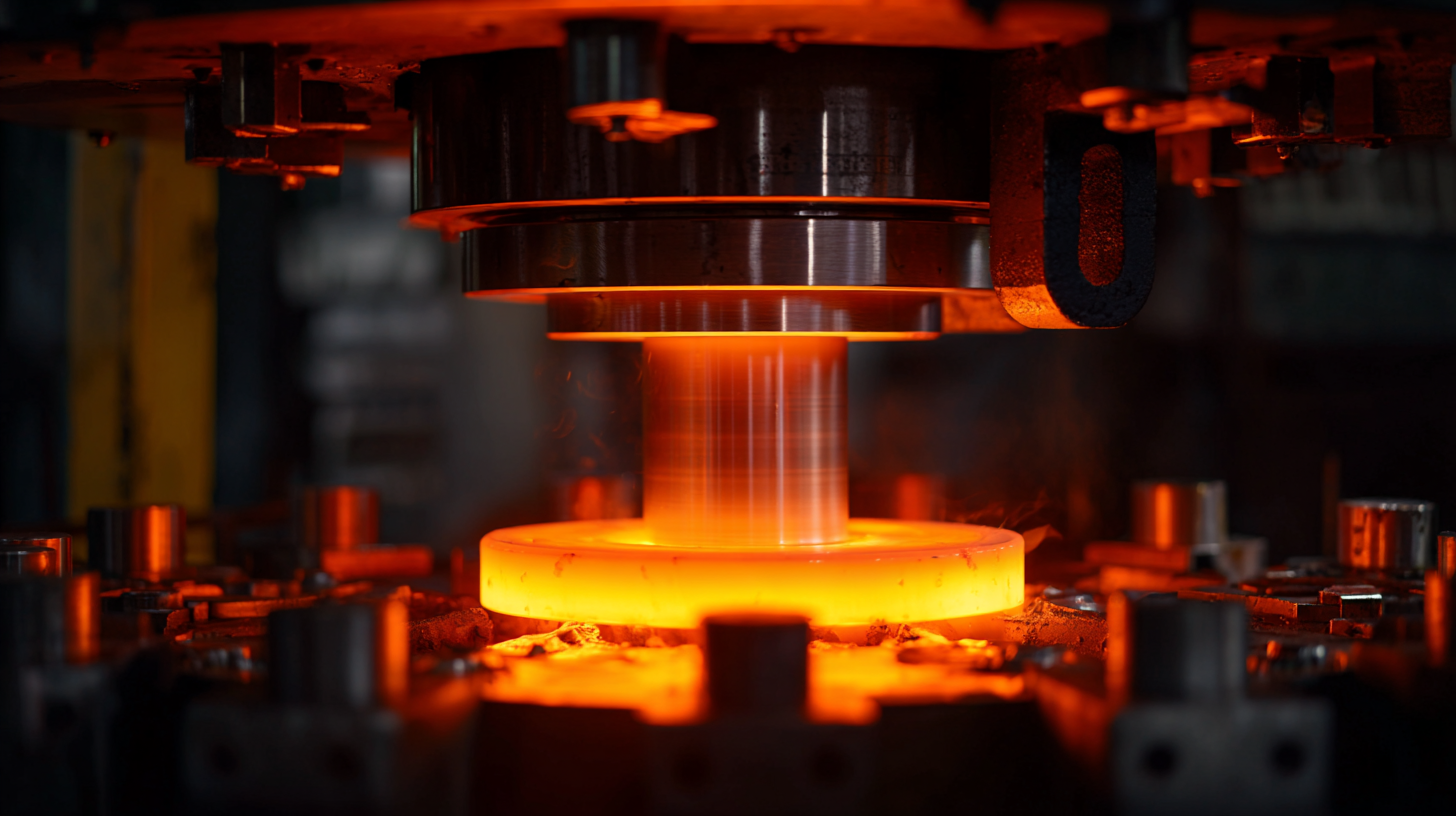
In today’s tough manufacturing world, picking the right custom cold forged products is pretty important for businesses that want to boost their efficiency and improve the quality of what they make. A recent market report from ResearchAndMarkets estimates that the global cold forging market could hit around $25 billion by 2026, mainly fueled by growth in the automotive and Aerospace sectors. At Shaanxi Brilliant Machinery Co., Ltd., we get it—choosing the right solutions isn’t just about cutting costs, it’s also about being sustainable and keeping your customers happy. We’re all about manufacturing top-notch products, always pushing for innovation and maintaining strict quality standards. That way, we can ensure our custom cold forged parts really meet the varied needs of our clients across multiple industries.
Understanding the Basics of Custom Cold Forged Products
You know, custom cold forged products play a huge role across lots of industries. They’re known for being stronger and more durable than those made with traditional methods. I read in a report from Grand View Research that the worldwide cold forging market could hit around USD 15.4 billion by 2025. That’s mainly because more industries, like automotive and aerospace, are craving lighter, cost-effective materials. It really shows how important these custom cold forged parts are in today’s manufacturing world—they help companies hit high precision marks and keep things consistent, even when producing in huge volumes.
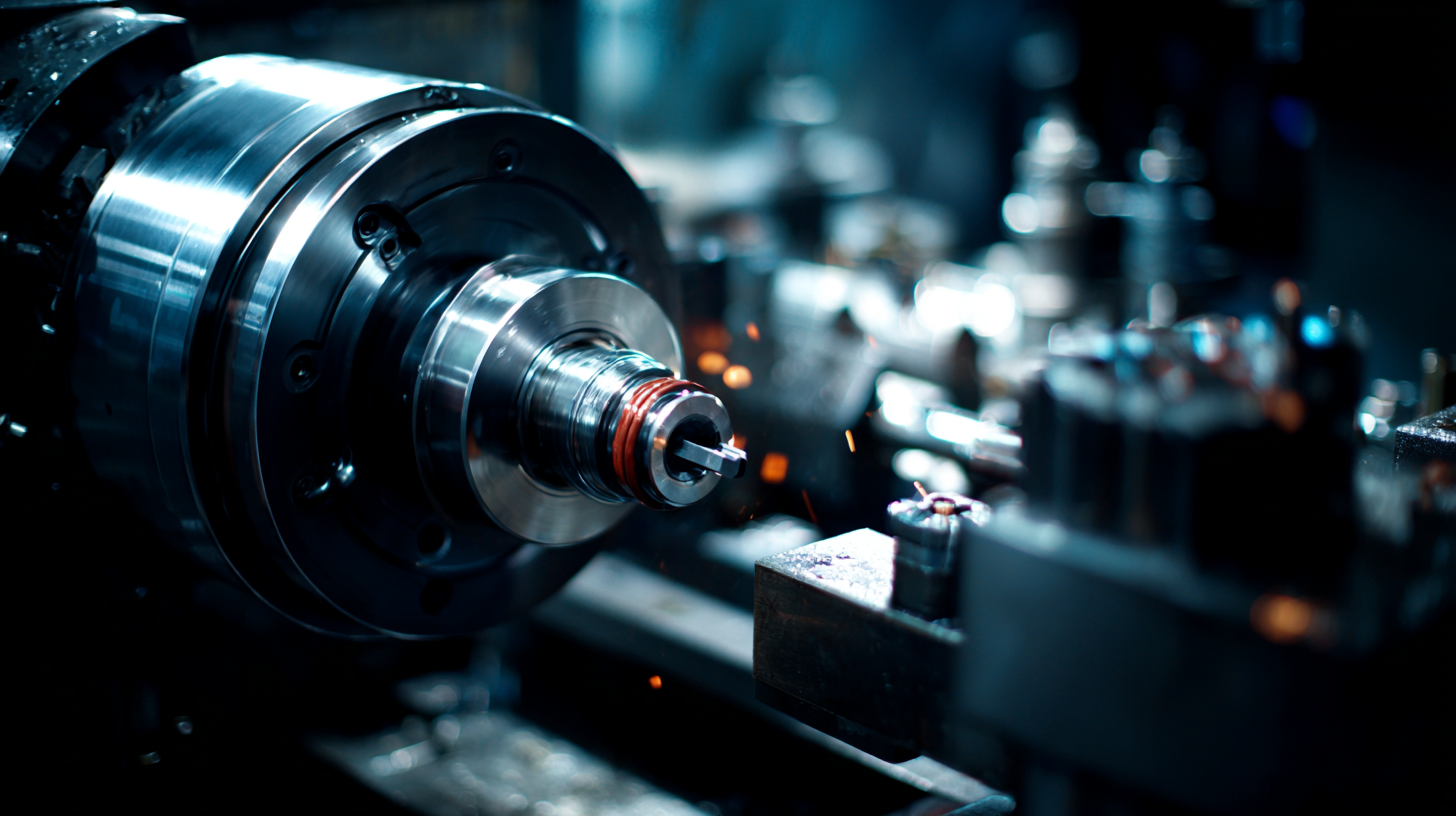
If your business is thinking about jumping into cold forging, it helps to understand the basics. Basically, cold forging shapes metal at or just above room temperature. This isn’t just some fancy trick — it actually makes the material properties better, and it cuts down on waste and energy use. A study from the Institute of Manufacturing Engineering found that parts made this way can be up to 30% strongerin yield than Hot-forged ones. That’s a pretty solid reason why so many high-performance applications prefer cold forging. Knowing these things can really help your business make smarter choices when it comes to picking the rightcustom forged products for your needs.
Evaluating Your Business Needs for Cold Forged Solutions
When you're trying to pick out the right custom cold forged products for your business, it all starts with figuring out what you actually need. Take a moment to evaluate the components you're after and how they’ll be used. It’s super important to understand the environment they’ll operate in — stuff like temperature ranges, whether they'll be exposed to corrosive elements, and the load requirements. This info really helps you make smarter choices about which materials and designs will work best.
My tip? Begin by taking a good look at your current processes—see where things might be falling short, and how cold forged parts could help fix those gaps. It’s also a good idea to chat with engineers and product designers to make sure your specs line up with what cold forging can actually do.
Don’t forget to think about how much you’re planning to produce. Are you after small, high-precision batches or bigger runs? Knowing this will steer your choice of supplier and manufacturing method. When your production needs line up with what cold forging offers, you’re apt to get the best mix of performance and value.
Another thing: reach out to potential manufacturers. Talk through what you’re expecting, and see what they can handle. And definitely ask for samples — it’s a great way to check quality and precision before you commit to anything.
Evaluation of Custom Cold Forged Products for Business Needs
Key Factors to Consider When Selecting Forging Materials
When you're choosing custom cold-forged parts for your business, one of the first things you really want to pay attention to is the material used during the forging process. You see, different materials have their own unique qualities that can really affect how well the final product performs and how long it lasts. Typically, folks go with materials like carbon steel, alloy steel, and stainless steel — each one has its own perks. For example, carbon steel is pretty popular because it’s strong and budget-friendly, making it a solid choice for lots of industrial uses. Then there’s alloy steel, which tends to offer better options like improved hardenability and better resistance to wear — perfect if you’re dealing with more challenging environments.
And let's not forget stainless steel—it's highly prized for resisting corrosion, which is a must in many tough conditions. Besides these traditional picks, newer options like titanium and aluminum alloys are catching on, mainly because they’re lightweight but still super strong. That opens doors to all kinds of innovative designs and improvements in industries like automotive and aerospace. So, yeah, it’s really important to choose the right material based on what your specific needs are. Doing this properly will make sure your cold forged products perform well and stand the test of time.
Analyzing the Benefits of Customization in Cold Forging
Custom cold-forged products can be a game-changer for businesses looking for tailored solutions to meet their specific operational needs. As per a report from the Cold Forging Association, companies that go the custom route can hit precision tolerances of around ±0.005 inches — which really boosts the performance and dependability of the parts they produce. Since you can design unique shapes and sizes, manufacturers often optimize how they use materials, cutting down on waste and saving costs in the process. Plus, this customization tends to make production a lot more efficient.
When you're thinking about custom cold-forged products, it’s a good idea to start by clearly figuring out what your business really needs — whether it’s specific material qualities or certain performance standards. Partnering with a reliable supplier who specializes in cold forging can be super helpful, especially when it comes to checking out what's feasible in terms of design and production capacity.
Also, customizing parts can seriously improve your supply chain. You can integrate specialized components that fit perfectly within your existing systems, which is pretty huge. Markets show that businesses using custom solutions often cut lead times by up to 30%. That kind of agility means better product quality and the ability to respond faster to market shifts.
My tip? Get in touch with your supplier early on in the design process. Together, you can explore creative design options that make the most of cold forging’s unique benefits. This way, your custom products will give your business that competitive edge you’re after.
Finding the Right Manufacturer for Your Forged Parts
When you're choosing a manufacturer for your custom cold forged parts, it’s really important to think about their experience and know-how in the field. Ideally, you want to find someone who specializes in the specific kind of forged components you need—whether that’s for industrial machines, car parts, or specialized equipment. A manufacturer that focuses on your type of product will likely be more in tune with the details and quality standards that matter most for your business.
On top of that, it’s good to check out how innovative they are and whether they stick to solid quality control practices. Industries keep changing fast, and manufacturers need to stay up-to-date with new tech and materials. For example, the latest advances in manufacturing railway parts highlight how crucial it is to work with a partner who's always looking to improve and work more efficiently. Picking the right manufacturer means your forged parts will not only perform well but also be made sustainably and cost-effectively. Bottom line? Do your homework and find someone who truly understands your needs—and keeps evolving along the way.
Cost-Effectiveness and Performance of Cold Forged Products
When you're choosing custom cold forged products, it’s really important to get a good handle on both how cost-effective they are and how well they perform. Businesses trying to streamline their manufacturing often find cold forging pretty appealing. According to a recent industry report by Smithers, cold forging can cut production costs by up to 30% compared to older, traditional methods. Plus, it tends to make the finished parts stronger and more durable. This makes cold forging a pretty attractive option, especially for fields like automotive or aerospace, where precision and toughness really matter.
If you want to get the most out of cold forging, here are a few tips. First off, take a close look at what your specific performance needs are—think things like tensile strength or how well the parts resist fatigue. Make sure the materials you choose can meet or even beat those standards. Next, spend some time checking out different suppliers. The goal is to find ones who offer good quality at a reasonable price, because the savings from less waste and faster production can really add up and impact your bottom line. And finally, don’t hesitate to chat with your engineers and production folks. Getting their input on how cold forging will work within your existing setups can help everything go smoothly and boost the overall performance.
By carefully looking into these factors, your business can confidently pick the right custom cold forged products for your needs, helping you save money and improve performance all at the same time.
How to Choose the Right Custom Cold Forged Products for Your Business Needs - Cost-Effectiveness and Performance of Cold Forged Products
| Product Type | Material Used | Cost per Unit ($) | Production Time (days) | Applications |
| Bolts | Carbon Steel | 0.25 | 5 | Construction, Automotive |
| Bushings | Aluminum | 0.50 | 7 | Machinery, Aerospace |
| Gears | Stainless Steel | 1.00 | 10 | Automotive, Robotics |
| Rings | Titanium | 2.00 | 15 | Medical, Aerospace |
| Plates | Copper | 3.00 | 12 | Electronics, Construction |
Understanding the Advantages of Cold-Forged vs. Cold-Extruded Wheels for Optimal Performance
Cold-forged and cold-extruded wheels are increasingly preferred in industrial applications due to their superior performance characteristics. The manufacturing process involves pressing a steel piece under significant stress at room temperature, resulting in a wheel that maintains exceptional dimensional accuracy and enhanced durability. A report by the Steel Manufacturers Association highlights that cold-forged components can exhibit up to 30% higher tensile strength compared to traditionally machined alternatives. This strength translates into wheels that can endure the rigorous demands of various industries such as machinery, automotive, and transportation systems, where longevity and reliability are crucial.
Additionally, the smooth, consistent motion provided by cold-forged and cold-extruded wheels optimizes performance in critical systems. According to research conducted by the International Journal of Industrial Engineering, wheels crafted through these methods significantly reduce wear and tear on machinery, consequently prolonging operational lifespan. The resilience afforded by these wheels makes them particularly suited for high-stress environments, where any failure could lead to costly downtime. Furthermore, the precise construction inherent in cold-forging and cold-extrusion ensures a tight fit and alignment, which are essential for maintaining efficiency and safety in automated systems and material handling processes.
FAQS
: The first step is to evaluate your specific needs by assessing the components required and the applications they will serve.
Understanding the operating environment, such as temperature ranges and exposure to corrosive substances, is crucial for making informed decisions on material choices and designs.
You should decide whether you need low-volume, high-precision parts or large-scale production runs, as this will influence your choice of supplier and manufacturing process.
It is essential to consider the properties of different materials, such as carbon steel for strength and affordability, alloy steel for enhanced hardness and wear resistance, and stainless steel for corrosion resistance.
Custom cold forged products provide tailored solutions that can achieve high precision tolerances, optimize material usage, reduce waste, and enhance production efficiency.
Customization can lead to better supply chain management by integrating specialized parts that fit precisely within existing systems, which can also reduce lead times significantly.
Collaborating with engineers and product designers ensures that your specifications align with the technical capabilities of cold forging.
You can ask potential manufacturers for samples to assess the quality and precision of the cold forged products.
Engage with your supplier early in the design process to explore innovative design options and leverage the unique benefits of cold forging.
Businesses that employ customized solutions often experience improved agility in production, enabling them to respond quickly to market demands.
Conclusion
In today’s really competitive world, choosing the right custom cold forged products for your business isn’t just about the specs; it’s about understanding both the technical stuff and what your specific needs are. Start by getting a good grasp of cold forging basics and figuring out exactly what your business requires — whether it’s performance, material type, or other factors. Some key things to think about are whether the forging materials are suitable, the perks of having customized designs, and how all these elements can help improve your overall efficiency.
At Shaanxi Brilliant Machinery Co., Ltd., we put a big emphasis on quality and sustainability in everything we do. That way, our clients can count on getting solutions that really work for them. When you look at the cost and how well the products perform, it’ll help you make smarter decisions—ones that not only meet your current needs but also support your growth down the line. Working with a reliable manufacturer is super important, so finding a partner who shares your passion for excellence can make a huge difference in boosting your productivity and long-term success.